[ Disclosure: This post contains affiliate links. Read our full Disclaimer for more details. ]
Introduction
⚡ Quick Guide: What You’ll Learn
- The Root Cause: Why plaque and the oral microbiome are the real culprits.
- The Systemic Link: How gum health affects your heart and blood sugar.
- The Action Plan: 5 steps to stop the bleeding in under 14 days.
What Bleeding Gums Really Mean
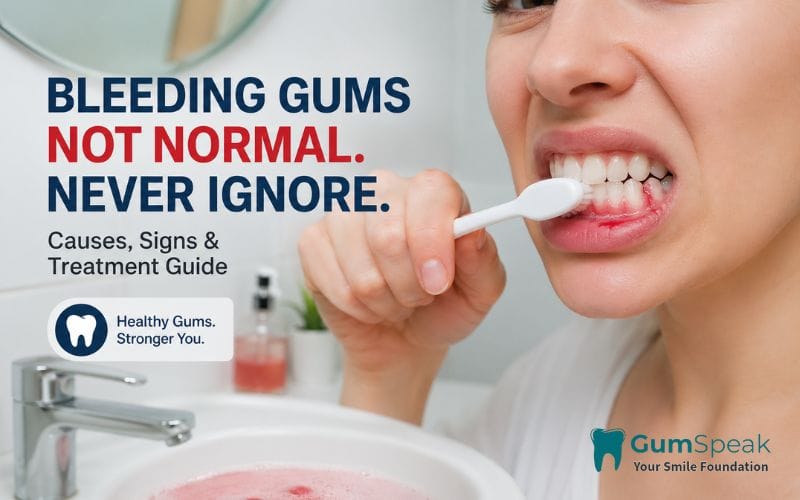
Bleeding gums are one of those symptoms people tend to ignore—until they can’t anymore. You see a bit of pink in the sink while brushing, maybe a slight metallic taste, and you assume it’s nothing serious. But here’s the reality: healthy gums do not bleed.
If they do, your body is signaling that something deeper is happening beneath the surface, and understanding bleeding gums causes is the first step toward fixing the issue before it escalates.
Your gums are not just passive tissue holding your teeth in place—they are an active defense system. They act as a protective seal, preventing harmful bacteria from entering the bloodstream through the oral cavity.
When this barrier weakens, bacteria begin to accumulate along the gumline, triggering inflammation. This inflammation is what causes the bleeding you notice during brushing or flossing. It’s not random—it’s a biological response to irritation.
The most common trigger is plaque buildup. Plaque is a sticky film made of bacteria, food particles, and saliva that forms on your teeth every day. If not removed through proper brushing and flossing, it hardens into tartar within 24 to 48 hours. Once tartar forms, it becomes much harder to remove and continues to irritate the gums, leading to persistent inflammation and bleeding.
According to the Centers for Disease Control and Prevention (CDC), nearly 47% of adults aged 30 and older suffer from some form of gum disease. That’s almost half the population, which makes bleeding gums not just common—but dangerously normalized.
What makes this problem tricky is that it often develops silently. There’s usually no pain in the early stages, which leads people to ignore it. But bleeding is the first warning sign before more serious conditions like gum recession, infections, or tooth loss occur.
If you’ve been searching for how to stop bleeding gums, the solution doesn’t start with products—it starts with understanding.
If your bleeding mainly happens during brushing, this detailed guide explains the exact reasons:
👉 Why Do My Gums Bleed Only When I Brush?
Why You Should Never Ignore Bleeding Gums
Ignoring bleeding gums is like ignoring a slow leak in your ceiling—it may not collapse today, but the damage is already in motion. One of the biggest misconceptions around bleeding gums causes is that they are temporary or harmless. In reality, they are progressive. What starts as mild inflammation can quietly develop into serious gum disease if left untreated.
The earliest stage is called gingivitis. At this point, the inflammation is limited to the gum tissue and is completely reversible. But if the condition is ignored, it can progress into periodontitis—a much more severe condition where the infection spreads below the gumline and begins to damage the bone that supports your teeth. At this stage, the damage is often permanent.
But the impact doesn’t stop in your mouth. Research from the American Dental Association (ADA) highlights a strong connection between gum disease and systemic health conditions such as heart disease, diabetes, and even respiratory infections. The reason is surprisingly simple: the bacteria responsible for gum disease can enter your bloodstream through inflamed gum tissue, triggering inflammation in other parts of the body.
There’s also a behavioral trap that many people fall into. When gums bleed, they assume they’re brushing too hard or causing damage, so they reduce brushing or stop flossing altogether. This is exactly the opposite of what should happen. Reduced cleaning allows plaque and bacteria to build up faster, worsening the inflammation and increasing bleeding. It becomes a self-reinforcing cycle.
If you’re already noticing deeper symptoms like gum sensitivity or loosening, it’s worth reading:
👉 Early Signs of Periodontitis You Shouldn’t Ignore
The key takeaway is simple: bleeding gums are not a minor inconvenience—they’re an early warning system. Acting early is the most effective form of gums bleeding treatment, and in most cases, it can completely reverse the condition before permanent damage occurs.
Common Bleeding Gums Causes You Shouldn’t Ignore
Poor Oral Hygiene Habits
If we strip things down to the core, the most common reason behind bleeding gums causes is not brushing—it’s ineffective brushing. That might sound harsh, but it’s true. Most people brush every day, yet still deal with plaque buildup because of poor technique, rushed routines, or skipped steps like flossing. The result? A slow accumulation of bacteria that quietly irritates the gums until bleeding becomes noticeable.
Plaque forms continuously on your teeth as bacteria feed on leftover food particles, especially sugars and refined carbohydrates. Within just 24 to 48 hours, this soft film begins to harden into tartar if not removed properly. Once tartar forms, it creates a rough surface that allows even more bacteria to cling and multiply. This is where inflammation begins—and inflammation is the direct trigger behind bleeding.
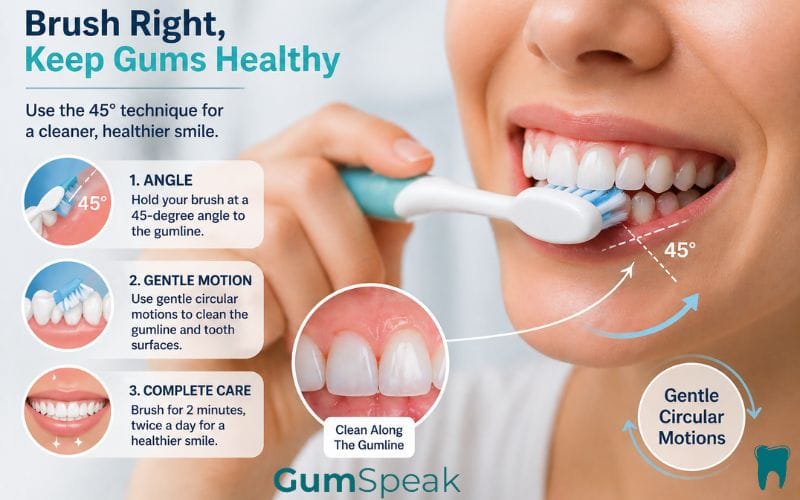
One of the biggest blind spots is the gumline. People tend to focus on the visible surfaces of their teeth while ignoring the area where the tooth meets the gum. This is exactly where bacteria accumulate the most. If you’re not angling your toothbrush correctly (around 45 degrees), you’re likely missing the most critical zone entirely.
Flossing is another major gap. Studies show that brushing alone cleans only about 60% of tooth surfaces. That means nearly half your mouth remains untouched if you skip flossing. Over time, bacteria trapped between teeth lead to irritation, swelling, and eventually bleeding.
What makes this even more important is consistency. You can’t “catch up” on oral hygiene. Skipping a day or brushing lazily doesn’t seem like a big deal in the moment, but it compounds quickly. That’s why building strong daily habits matters more than occasional deep cleaning.
If you want to improve your routine, this guide breaks it down into simple, practical steps:
👉 7 Simple Morning Habits for Better Oral Health
Fixing your oral hygiene is often the fastest and most reliable answer to how to stop bleeding gums—but only if it’s done correctly and consistently.
Gingivitis and Early Gum Disease
Gingivitis is where bleeding gums move from being a warning sign to an actual condition. It’s the earliest stage of gum disease, and here’s the surprising part—it’s incredibly common and completely reversible. Yet, most people ignore it until it progresses into something much more serious.
At this stage, your gums become red, swollen, and sensitive. You might notice bleeding when brushing, flossing, or even eating certain foods. This happens because plaque buildup along the gumline triggers an immune response. Your body sends white blood cells to fight the bacteria, which leads to inflammation. That inflammation weakens the gum tissue, making it more prone to bleeding.
The danger with gingivitis is not its severity—it’s its silence. There’s usually no pain, which makes it easy to dismiss. But while you’re ignoring it, the condition is quietly progressing. Over time, the gums begin to pull away from the teeth, forming pockets where bacteria thrive. This is the tipping point where gingivitis transitions into periodontitis.
Once that happens, the problem is no longer just about gums—it involves bone loss, tooth instability, and long-term damage. That’s why recognizing early bleeding gums causes like gingivitis is critical.
If you suspect infection or worsening symptoms, this guide provides targeted solutions:
👉 Gum Infection Home Remedies
The good news? With proper care—consistent brushing, flossing, and sometimes professional cleaning—gingivitis can be reversed within a few weeks. That makes early action the most powerful form of gums bleeding treatment.
Vitamin Deficiencies and Nutritional Gaps
Your gums don’t just depend on what you do with a toothbrush—they depend on what you put on your plate. One of the most overlooked bleeding gums causes is nutritional deficiency, and it’s more common than most people think. Even if your oral hygiene is solid, a lack of essential nutrients can weaken your gums from the inside out.
Vitamin C is the most well-known player here. It’s essential for collagen production, which keeps your gums firm and resilient. Without enough Vitamin C, gum tissue becomes fragile, inflamed, and prone to bleeding. Severe deficiency leads to scurvy, but even mild deficiency can cause noticeable gum problems.
Vitamin K is another critical nutrient, though it’s often overlooked. It plays a key role in blood clotting. If your body lacks Vitamin K, even minor irritation in your gums can lead to prolonged bleeding. Then there are B vitamins, which support tissue repair and reduce inflammation—both essential for gum healing.
Modern diets are a big part of the problem. Processed foods, high sugar intake, and low consumption of fresh fruits and vegetables create a nutritional gap that directly affects your oral health. It’s not just about what you eat—it’s about what your body is missing.
If you want a deeper breakdown of how deficiencies affect your gums, check this resource:
👉 Vitamin Deficiency and Bleeding Gums
Improving your diet—adding citrus fruits, leafy greens, nuts, and whole foods—can significantly strengthen your gums over time. When combined with proper hygiene, it becomes a powerful strategy for both preventing and treating gum issues.
Oral Microbiome Imbalance
Your mouth is not sterile—it’s a living ecosystem. In fact, it contains over 700 species of bacteria, collectively known as the oral microbiome. When this ecosystem is balanced, beneficial bacteria keep harmful ones in check. But when that balance is disrupted, problems begin to surface—and bleeding gums are often one of the first signs.
This imbalance is one of the most underestimated bleeding gums causes because it’s not visible. You can brush regularly and still experience issues if your microbiome is out of sync. Factors like high sugar intake, smoking, stress, antibiotics, and even certain mouthwashes can disrupt this balance.
Here’s where it gets interesting: many traditional oral care products focus on killing bacteria. But they don’t discriminate between good and bad bacteria. Over time, this can actually make the problem worse by wiping out beneficial microbes that help protect your gums.
Think of your mouth like a garden. If healthy plants are thriving, weeds struggle to grow. But if the soil is damaged, weeds take over quickly. Your oral microbiome works the same way.
To understand this better, explore:
👉 Oral Microbiome and Why It Matters
👉 How to Rebuild Oral Microbiome Naturally
Restoring balance—not just killing bacteria—is becoming a key strategy in how to stop bleeding gums effectively and sustainably.
Aggressive Brushing and Flossing
Sometimes the problem isn’t neglect—it’s overdoing it. Aggressive brushing and improper flossing techniques are surprisingly common bleeding gums causes, especially among people who are trying to take extra care of their teeth.
Using a hard-bristled toothbrush or applying too much pressure can damage the delicate gum tissue. Over time, this leads to irritation, micro-tears, and even gum recession. The same goes for flossing—snapping floss into your gums instead of guiding it gently can cause injury.
Here’s the irony: many people see bleeding and assume they need to brush harder to “clean better.” In reality, this makes the problem worse. Your gums respond best to gentle, consistent care—not force.
Dentists recommend:
- Using a soft-bristled toothbrush
- Holding it at a 45-degree angle
- Using small circular motions
- Brushing for 2 full minutes
Correcting your technique can lead to noticeable improvements within days. It’s one of the simplest yet most effective ways to address how to stop bleeding gums without needing advanced treatments.
Symptoms to Watch Closely
Blood While Brushing or Flossing
This is usually the first and most obvious sign people notice—and unfortunately, it’s also the one most commonly ignored. Seeing blood in the sink while brushing might seem minor, especially if there’s no pain involved. But in reality, this is one of the clearest indicators that your gums are inflamed. Healthy gums simply do not bleed under normal conditions, even with regular flossing. When they do, it’s your body signaling that irritation or infection is present.
The bleeding happens because plaque buildup along the gumline triggers an immune response. Your body sends white blood cells to fight the bacteria, which leads to swelling and increased blood flow in the area. This makes the gum tissue more fragile and prone to bleeding, even with light contact from a toothbrush or floss.
What makes this symptom tricky is its inconsistency. Some days you might notice bleeding, while other days you don’t. This inconsistency often leads people to believe the issue has resolved on its own. In reality, the underlying inflammation is still present—it’s just fluctuating based on factors like diet, stress, and oral hygiene habits.
If you’re specifically noticing bleeding during brushing, this detailed resource explains the exact reasons behind it:
👉 Why Gums Bleed When Brushing Only
Addressing this early symptom is critical. It’s often the easiest stage to reverse and the most responsive to simple changes in your routine. Ignoring it, however, allows the condition to progress into more serious forms of gum disease.
Swollen, Red, or Tender Gums
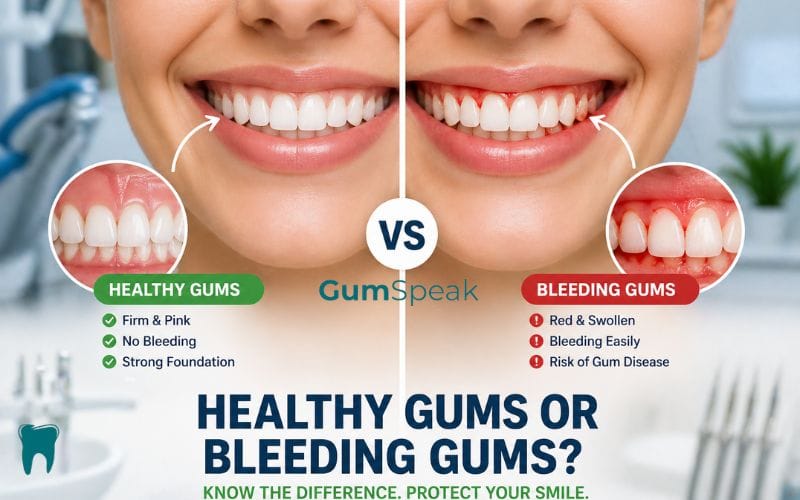
Another key warning sign tied closely to bleeding gums causes is a visible change in how your gums look and feel. Healthy gums are typically firm, pale pink, and snug around your teeth. When they become swollen, red, or tender, it’s a clear indication that inflammation has set in.
This inflammation is usually the result of bacterial irritation. As plaque accumulates along the gumline, it releases toxins that irritate the surrounding tissue. Your body reacts by increasing blood flow to the area, which causes swelling and redness. This is why inflamed gums often appear darker or more vibrant in color compared to healthy ones.
Tenderness is another important clue. You might notice discomfort when eating, brushing, or even touching your gums. This sensitivity develops because the inflamed tissue becomes more reactive to pressure and temperature changes.
Swelling can also create small pockets between your teeth and gums. These pockets trap food particles and bacteria, making the situation worse over time. It becomes a cycle—more bacteria leads to more inflammation, which leads to deeper pockets and increased bleeding.
If you’re dealing with persistent swelling, it may also be connected to lifestyle factors like stress. This article explains how stress impacts gum health:
👉 Stress and Gum Health
Recognizing these visual and physical changes early gives you a major advantage. It allows you to intervene before the condition progresses into more advanced stages that require professional treatment.
Persistent Bad Breath
Bad breath, or halitosis, is often dismissed as a minor inconvenience, but it’s actually one of the most telling signs of underlying gum problems. When it comes to bleeding gums causes, persistent bad breath is usually linked to bacterial overgrowth in the mouth.
The bacteria responsible for gum disease produce sulfur compounds as they break down food particles and tissue. These compounds are what create the unpleasant odor. If your breath remains bad even after brushing, it’s a strong indication that bacteria are accumulating below the gumline—an area your toothbrush can’t fully reach.
This is where many people make a critical mistake. They turn to strong, alcohol-based mouthwashes to mask the smell. While this may provide temporary relief, it can actually worsen the problem over time. Harsh mouthwashes can disrupt the oral microbiome, killing beneficial bacteria along with harmful ones. This imbalance allows odor-causing bacteria to return even stronger.
To understand this better, explore:
👉 Does Mouthwash Kill Good Bacteria?
👉 Can Mouthwash Make Gums Worse?
Persistent bad breath combined with bleeding gums is a strong signal that deeper gum issues may be developing. Addressing the root cause—not just masking the symptoms—is essential for long-term improvement.
How to Stop Bleeding Gums (Action Plan)
Correct Brushing Technique
14-Day Gum Restoration Checklist
- Days 1-3: Switch to a soft-bristled brush and implement the 45-degree angle technique. Start 30-second warm saltwater rinses after lunch.
- Days 4-7: Incorporate “C-shape” flossing nightly. Increase Vitamin C intake (bell peppers, citrus).
- Days 8-14: Monitor the “sink test.” Bleeding should diminish. If using oral probiotics, maintain a consistent schedule to repopulate the microbiome.
Diet Improvements for Gum Health
What you eat plays a direct role in your gum health, often more than people expect. If your diet is high in sugar and processed foods, you’re essentially feeding the harmful bacteria responsible for inflammation. On the other hand, a nutrient-rich diet can strengthen your gums and accelerate healing.
Vitamin C is essential for maintaining strong gum tissue. Foods like oranges, strawberries, and bell peppers help reduce inflammation and support collagen production. Vitamin K, found in leafy greens like spinach and kale, plays a role in blood clotting, which can help reduce bleeding.
Hydration is another underrated factor. Saliva acts as your mouth’s natural defense system, washing away bacteria and neutralizing acids. When you’re dehydrated, saliva production decreases, allowing bacteria to thrive.
Crunchy fruits and vegetables like apples and carrots also act as natural cleaners, helping to remove plaque while stimulating your gums. These small dietary changes can make a noticeable difference over time.
For more insights on nutrition and oral health, explore:
👉 Best Foods for Naturally Whiter Teeth
Improving your diet is not a quick fix, but it’s one of the most sustainable ways to support long-term gum health and reduce bleeding naturally.
Natural Remedies to Stop Bleeding Gums causes
When it comes to natural approaches for how to stop bleeding gums, some remedies genuinely help—while others are more hype than substance. The key is understanding which ones reduce inflammation and support healing without disrupting your oral microbiome.
Saltwater rinses are one of the simplest and most effective options. Salt has natural antibacterial properties and helps reduce swelling. Rinsing with warm salt water once or twice a day can soothe irritated gums and promote healing.
Aloe vera is another powerful option. Known for its anti-inflammatory and healing properties, it can be applied directly to the gums in gel form. Tea tree oil, when diluted properly, also has antibacterial effects that can help control plaque buildup.
However, consistency matters more than the remedy itself. Using these treatments occasionally won’t produce noticeable results. They need to be part of a daily routine to be effective.
Natural remedies work best when combined with proper hygiene and diet. They are supportive tools—not replacements—for good oral care habits.
Oral Probiotics and Microbiome Support
One of the most modern and effective approaches to addressing bleeding gums causes is restoring the balance of your oral microbiome. Instead of focusing solely on eliminating bacteria, this approach aims to introduce beneficial bacteria that help regulate the ecosystem inside your mouth.
Oral probiotics are designed specifically for this purpose. They work by colonizing the mouth with good bacteria that compete with harmful strains, reducing inflammation and improving gum health over time. This is particularly helpful for people who experience recurring gum issues despite maintaining good hygiene.
Products like
👉 ProDentim Review 2026
👉 ProDentim Results After 30 Days
have gained attention for supporting gum health through microbiome balance.
For deeper understanding, explore:
👉 How Oral Probiotics Actually Work
👉 Best Oral Probiotics for Gum Health
👉 Best Probiotics for Receding Gums (2026)
This approach represents a shift in how we think about oral care. Instead of fighting bacteria, we’re learning to manage it—and that shift is proving to be highly effective in long-term gums bleeding treatment strategies.
Effective Home Remedies for Bleeding Gums
Salt Water Rinse
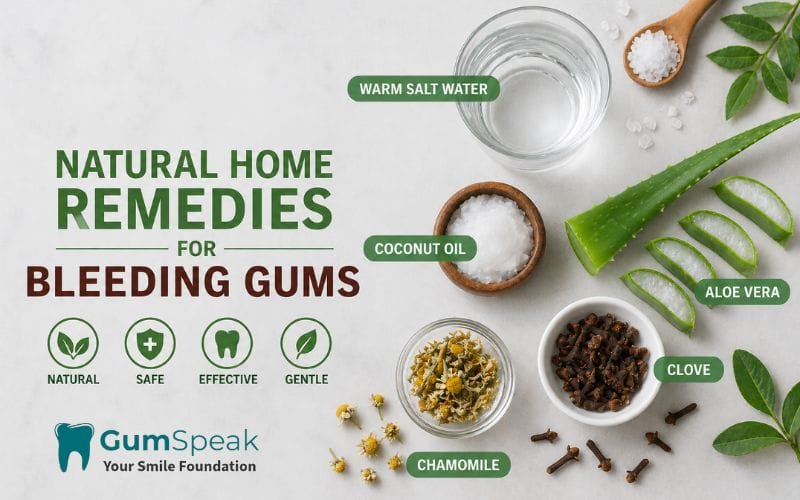
If you’re looking for a simple, low-cost way to support your gums, a salt water rinse is one of the most reliable starting points. It’s been used for decades—not because it’s trendy, but because it actually works. When it comes to managing bleeding gums causes, saltwater helps by reducing bacterial load while calming inflamed tissue.
Here’s what’s happening beneath the surface. Salt creates a slightly alkaline environment in your mouth, which makes it harder for harmful bacteria to thrive. At the same time, it draws out excess fluid from swollen gum tissue, helping reduce inflammation and tenderness. This dual effect—antibacterial and anti-inflammatory—is what makes it so effective as part of a gums bleeding treatment routine.
Preparation is simple: mix half a teaspoon of salt in a glass of warm water, swish it around your mouth for about 30 seconds, and spit it out. Doing this once or twice daily—especially after meals—can help keep bacteria under control and support healing.
However, consistency matters more than intensity. Doing it occasionally won’t deliver noticeable results. Think of it like watering a plant—you need to do it regularly for it to thrive. Also, avoid overusing saltwater rinses, as excessive use may irritate sensitive tissue.
What makes this remedy powerful is that it complements everything else you’re doing. It doesn’t replace brushing or flossing—it enhances them. When combined with proper oral hygiene and dietary improvements, it becomes a strong support tool in your plan for how to stop bleeding gums effectively.
Oil Pulling Benefits
Oil pulling has gained popularity in recent years, but it’s far from new. This ancient Ayurvedic practice involves swishing oil—typically coconut oil—in your mouth for 10 to 15 minutes. While it might sound unusual at first, many people find it surprisingly effective in improving gum health and reducing plaque buildup.
Coconut oil is commonly used because it contains lauric acid, a compound known for its antimicrobial properties. When you swish the oil around your mouth, it binds to bacteria and helps remove them from the surfaces of your teeth and gums. Over time, this can reduce the bacterial load that contributes to bleeding gums causes.
Think of oil pulling as a gentle cleansing process. Unlike harsh chemical mouthwashes, it doesn’t disrupt the balance of your oral microbiome as aggressively. Instead, it works more subtly, helping reduce harmful bacteria while allowing beneficial bacteria to remain.
To try it, take one tablespoon of coconut oil, swish it around your mouth for 10–15 minutes (without swallowing), then spit it out and rinse with water. It’s best done in the morning before eating or brushing.
While scientific evidence is still evolving, many users report improvements in gum sensitivity, reduced bleeding, and fresher breath. It’s not a miracle cure, but it can be a helpful addition to your overall gums bleeding treatment strategy—especially when combined with proper brushing and flossing.
Herbal and Natural Care Options
Nature offers a range of ingredients that can support gum health when used correctly. Herbal remedies don’t replace clinical care, but they can play a valuable supporting role in managing inflammation and bacterial growth associated with bleeding gums causes.
One of the most well-known is clove oil, which contains eugenol—a natural compound with antibacterial and pain-relieving properties. When diluted properly, clove oil can be applied to the gums to help reduce discomfort and fight bacteria.
Chamomile is another gentle yet effective option. Often consumed as tea, it can also be used as a mouth rinse. Its anti-inflammatory properties help soothe irritated gums, making it especially useful for people dealing with sensitivity.
Sage has natural antimicrobial properties and has been traditionally used to support oral hygiene. Rinsing with sage-infused water can help reduce bacterial buildup and promote healthier gums over time.
The key with herbal remedies is moderation and consistency. Using them occasionally won’t make a significant difference, but incorporating them into your routine can enhance your overall results.
If you’re exploring broader natural strategies, this guide offers additional insight:
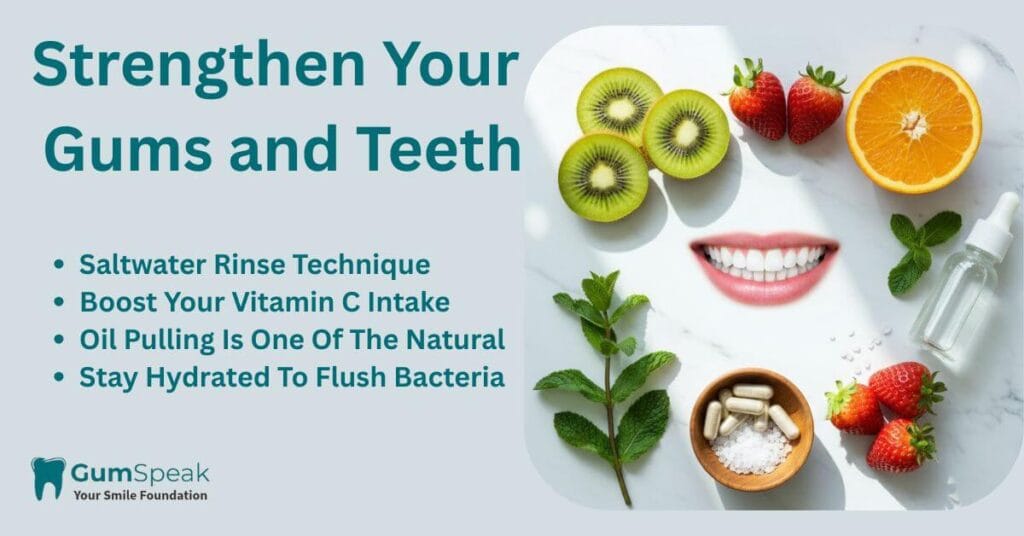
👉 Natural Ways to Strengthen Your Gums
These remedies work best when paired with foundational habits like proper brushing, flossing, and nutrition. Together, they create a more complete approach to how to stop bleeding gums naturally.
When to See a Dentist
There’s a point where home care alone isn’t enough—and recognizing that point early can save you from more serious complications. While many bleeding gums causes can be managed with improved hygiene and lifestyle changes, persistent symptoms may indicate a deeper issue that requires professional attention.
If your gums continue to bleed after two weeks of consistent care, it’s time to consult a dentist. Other warning signs include severe swelling, gum recession, loose teeth, or persistent bad breath that doesn’t improve with hygiene changes. These symptoms may indicate advanced gum disease, such as periodontitis, which requires specialized treatment.
Dentists can perform a professional cleaning to remove tartar buildup that cannot be eliminated at home. They can also assess the depth of gum pockets, check for infection, and recommend targeted treatments such as scaling and root planing.
Another advantage of seeing a professional is personalized guidance. Everyone’s oral health is different, and a dentist can identify specific factors contributing to your condition—whether it’s technique, diet, or underlying health issues.
If you’re experiencing discomfort at night, this resource may help you understand why:
👉 How to Stop Gum Pain at Night
Seeking professional help doesn’t mean you’ve failed—it means you’re taking control of your health. In many cases, early intervention can reverse damage and prevent long-term complications.
Conclusion
Bleeding gums are not something to brush off—they’re one of the earliest and most important warning signs your body gives you. Whether it’s caused by plaque buildup, nutritional deficiencies, or an imbalance in your oral microbiome, the message is the same: your gums need attention.
The encouraging part is that most bleeding gums causes are reversible when addressed early. By improving your brushing technique, upgrading your diet, and supporting your oral microbiome, you can create an environment where your gums naturally heal and thrive. It’s not about quick fixes—it’s about consistent, daily habits that work together over time.
If you’ve been searching for how to stop bleeding gums, the answer lies in combining multiple strategies rather than relying on a single solution. Think of it as a system: hygiene, nutrition, and balance all play a role. When one is missing, problems arise. When all are aligned, your gums recover.
Long-term gum health isn’t complicated—but it does require awareness and consistency. The earlier you act, the easier it is to reverse the issue and protect your smile for years to come.
Understanding bleeding gums causes and following the right gums bleeding treatment plan is the fastest way to learn how to stop bleeding gums permanently
FAQs
Why do my gums bleed only at night?
Nighttime bleeding is usually caused by plaque buildup that accumulates throughout the day. When saliva flow decreases at night, bacteria multiply faster, worsening inflammation. By the time you brush before bed, the sensitive tissue reacts to the irritation, making bleeding gums causes more apparent.
Can mouthwash cause bleeding gums?
Yes, alcohol-based mouthwashes can dry out the mouth and disrupt the oral microbiome. This imbalance kills beneficial bacteria, leading to tissue sensitivity. If you are looking for a gums bleeding treatment, switch to an alcohol-free or probiotic-rich rinse to avoid further irritation.
How long does it take for bleeding gums to heal?
With consistent how to stop bleeding gums strategies—like proper brushing and flossing—mild cases usually heal within 7 to 14 days. However, if you have deep periodontal pockets or severe nutritional gaps, recovery may take several weeks of targeted care.
Are bleeding gums reversible?
Absolutely. Most bleeding gums causes, like gingivitis, are 100% reversible with professional cleaning and improved daily hygiene. Acting early prevents the condition from progressing into permanent bone loss or advanced periodontitis.
What is the fastest way to stop bleeding gums?
The “fastest” path is a three-pronged attack: Mechanical (gentle but thorough flossing), Chemical (saltwater or alcohol-free rinses), and Biological (high-quality oral probiotics). Most users see a significant reduction in “pink in the sink” within 7 to 10 days of consistent care