[ Disclosure: This post contains affiliate links. Read our full Disclaimer for more details. ]
The Burning Sensation Myth: Can Mouthwash Make Gums Worse?
Picture this: You brush, floss, and then swish that tingly mouthwash, savoring the “burn” as definitive proof of purity. Billions of people perform this ritual daily, equating that intense antiseptic sting with clinical sterility.
But can mouthwash make gums worse? Science suggests that the sensation comes from high-percentage alcohol dehydrating your delicate oral tissues and firing pain receptors—not from superior cleaning. A 2026 survey found that while 70% of users “love the burn,” that very sensation often masks underlying physiological harm
The Hidden Reality: Why Mouthwash Can Make Gums Worse Daily
Your mouth hosts over 700 bacterial species in a finely balanced biofilm. Daily chemical rinses often act like “napalm,” killing indiscriminately. Leading periodontists are increasingly concerned, asking: Does mouthwash kill good bacteria? The answer is a resounding yes.
This disruption of the oral microbiome invites chronic gum woes. Take “Sarah,” a 35-year-old who rinsed religiously for fresh breath—until receding gums and heightened sensitivity forced a specialist visit. Her story echoes a rising clinical concern regarding “over-sterilization.
What Mouthwash Actually Does – And How It Can Make Gums Worse
Mechanism of Action
Most commercial rinses feature chlorhexidine gluconate (0.12–0.2%) or ethanol (20–30%). Chlorhexidine adheres to enamel and mucosa, releasing slowly to disrupt bacterial cell walls. According to WebMD
, these formulas can slash plaque by 55%, making them effective short-term tools. Alcohol acts as a solvent, penetrating biofilms to deliver active ingredients. While these are effective post-surgery (as noted by the Mayo Clinic), their long-term daily necessity is being questioned.
The Non-Selective Killing Problem
The fundamental flaw is the lack of a “bacterial ID check.” Beneficial strains like Streptococcus salivarius produce antimicrobial peptides, while nitrate-reducers generate nitric oxide essential for vessel dilation and immunity.
Rinses can “nuke” these protectors, with studies in the Journal of Clinical Periodontology showing a 90% loss of beneficial bacteria after a single use.
This is often followed by “rebound dysbiosis,” where pathogens like Fusobacterium surge back within 48 hours. Can mouthwash make gums worse through this cycle? Evidence suggests that daily users risk a state of permanent microbial imbalance
The “Scorched Earth” Effect: How Mouthwash Can Make Gums Worse
Killing the Protective Bacteria
Your gums rely on nitric oxide from Veillonella and Rothia for blood flow and anti-inflammation. Mouthwash claims 99.9% kill (Healthline), but includes protectors. A 2022 Nature Microbiology paper tracked users: microbiome diversity dropped 40%, with pathogens dominating by week 2. Can mouthwash make gums worse by orphaning tissues? Case studies confirm inflamed pockets.
pH Imbalance and Dry Mouth
Alcohol suppresses saliva glands, causing xerostomia—flow halves within minutes (WebMD. Saliva buffers at pH 6.5-7.5; dryness crashes it to 4.5, demineralizing enamel and feeding Streptococcus mutans. Symptoms build: sticky mouth, cracked lips. Long-term? Enamel erosion accelerates 2x.
The Link to Gum Recession and Inflammation: Can Mouthwash Make Gums Worse?
Exposed roots from lost biofilm + acidity = recession. Mouthwash causes gum recession via attachment loss (1-2mm/year). Journal of Periodontology meta-analysis: 25% higher risk in alcohol users. Inflammation (redness, bleeding) links to atherosclerosis—bacteria travel bloodstream. Example: Mike’s 2mm recession reversed after quitting rinses.
Signs Your Mouthwash is Harming Your Gums
If you are wondering can mouthwash make gums worse for your specific dental profile, look for these three “Red Flags”:
- Chronic Dryness: If your mouth feels like cotton or your cavities are spiking despite good hygiene, your rinse may be impairing remineralization.
- Increased Sensitivity: Hot or cold “zings” often stem from dentin exposure caused by the aggressive pH of your mouthwash.
- Sloughing Tissue and Staining: If you notice white patches of skin peeling inside your cheeks, you are experiencing a chemical burn. Furthermore, chlorhexidine is known to stain teeth brown in up to 50% of users.
The Professional Protocol: Safer Alternatives
When traditional mouthwash makes gums worse, it is time to pivot to a biocompatible strategy.
- Alcohol-Free Options: Xylitol-based rinses cut plaque without the dysbiosis associated with ethanol.
- Alkalizing Rinses: A simple DIY solution of 1 tsp baking soda in 8oz of water (pH 8.5) can reduce bleeding and neutralize acids.
- The Prebiotic Approach: Instead of killing, focus on rebuilding. Products targeting the gut-oral link can lead to a significant drop in inflammation markers.
Your Step-by-Step Recovery Protocol:
- Brush & Floss: Focus on mechanical removal.
- Switch: Move to an alcohol-free, alkalizing rinse.
- Rebuild: Use an oral probiotic to restore diversity.
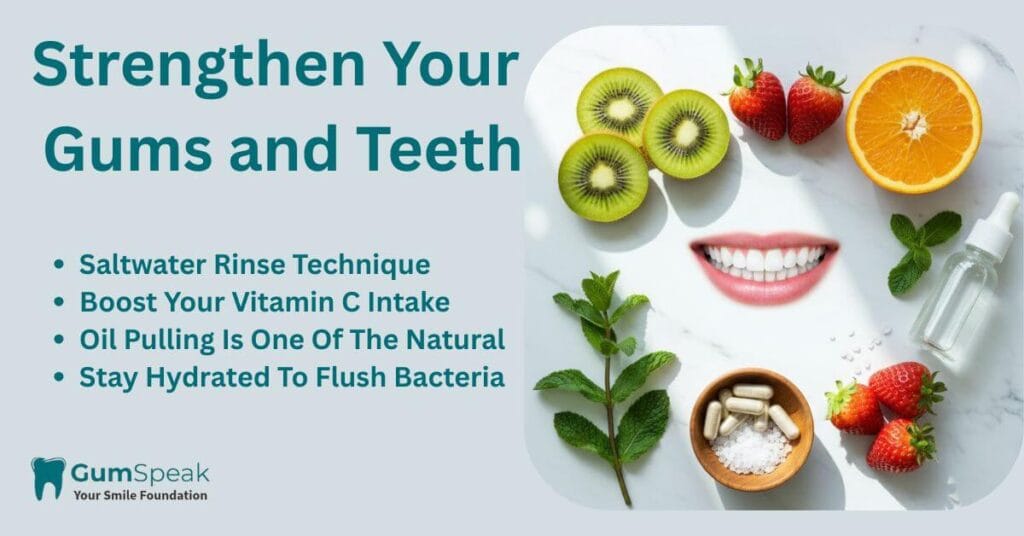
- Hydrate: Maintain 2L of water daily to support salivary flow.
Conclusion: Restoring the Balance
Can mouthwash make gums worse? Absolutely—if the formula focuses on total sterilization rather than ecosystem support. By slaughtering good bacteria and crashing your oral pH, harsh rinses can lead to the very recession and inflammation they claim to prevent.
Switch to alcohol-free, prebiotic-centered strategies to ensure your oral microbiome thrives. Your gums are a living foundation; treat them with the care they deserve.
FAQs: Can Mouthwash Make Gums Worse?
Can mouthwash make gums worse?
Yes, by killing protectors and drying tissues—details on mouthwash causes gum recession.
Does mouthwash kill good bacteria?
Confirmed: Does mouthwash kill good bacteria.
Why does mouthwash make gums worse?
Dysbiosis + low pH; explore oral microbiome guide.
How to stop if mouthwash makes gums worse?
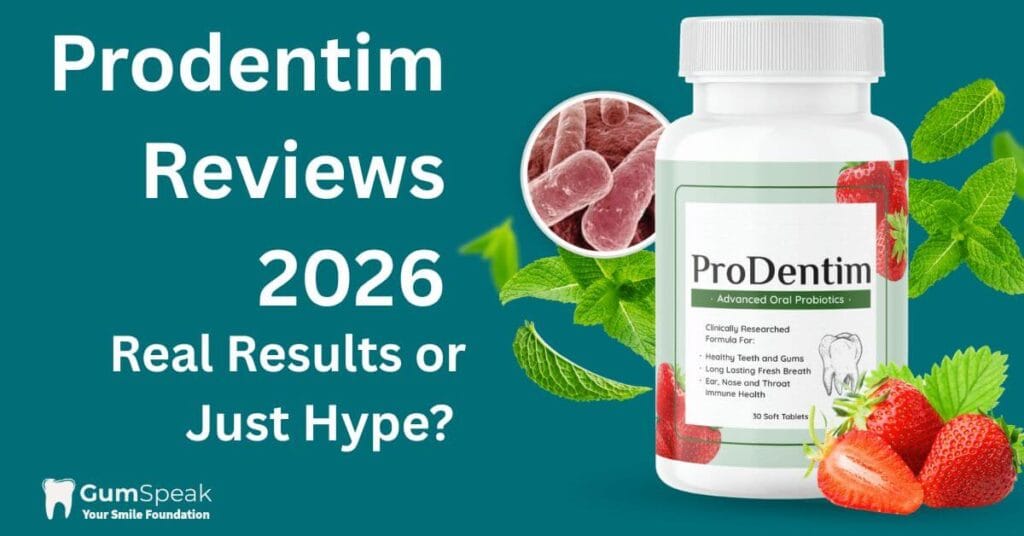
Probiotics + saline; try ProDentim Review.
Can mouthwash cause gum recession?
25% elevated risk—switch now.